
Composting 101
Composting is the natural process of recycling organic matter, such as leaves and food scraps, into a valuable fertilizer that can enriches soil and plants. Composting not only reduces waste sent to landfills but also supports healthier plants and reduces the need for chemical fertilizers in gardening and agriculture. It's an environmentally friendly way to recycle organic waste back into the earth's natural cycle.
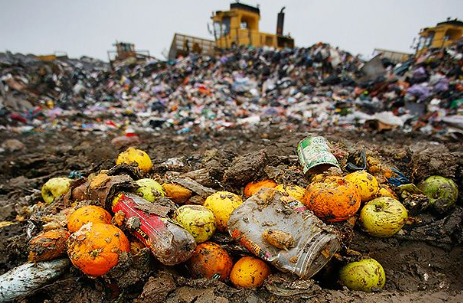
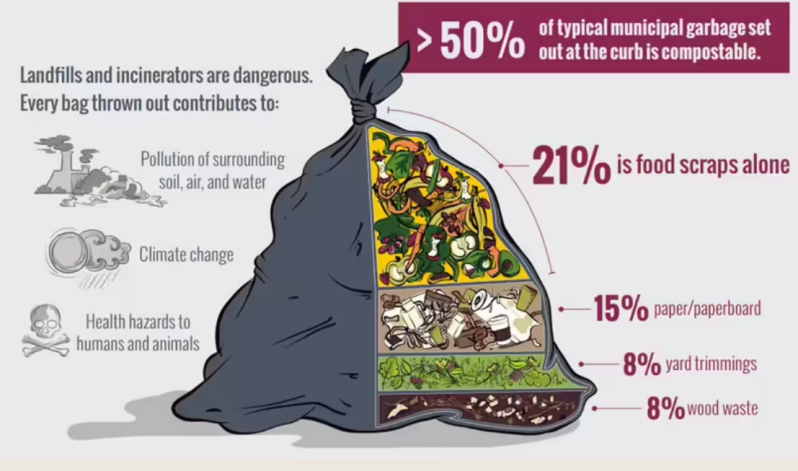
Not composting can have several consequences for the environment and waste management systems. When organic materials such as food scraps and yard waste are thrown away instead of composted, they typically end up in landfills where they decompose anaerobically (without oxygen), producing methane gas—a potent greenhouse gas that contributes to climate change.
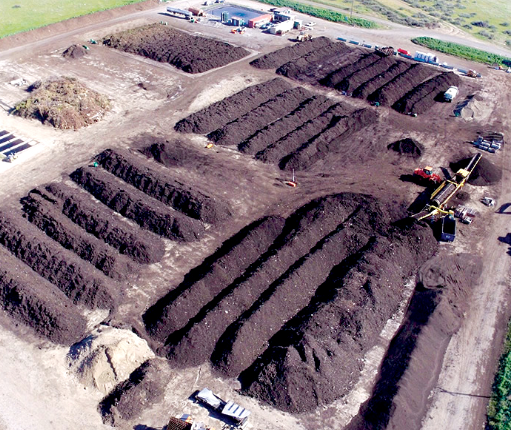
Organic discards can be processed in industrial-scale composting facilities, in smaller-scale community composting systems, and in anaerobic digesters, among other options. This website focuses primarily on home composting, which is a great way to keep your organic discards out of the waste stream.
What is preventing you from sorting food scraps? Get Started today!
Create Your Own Website With Webador